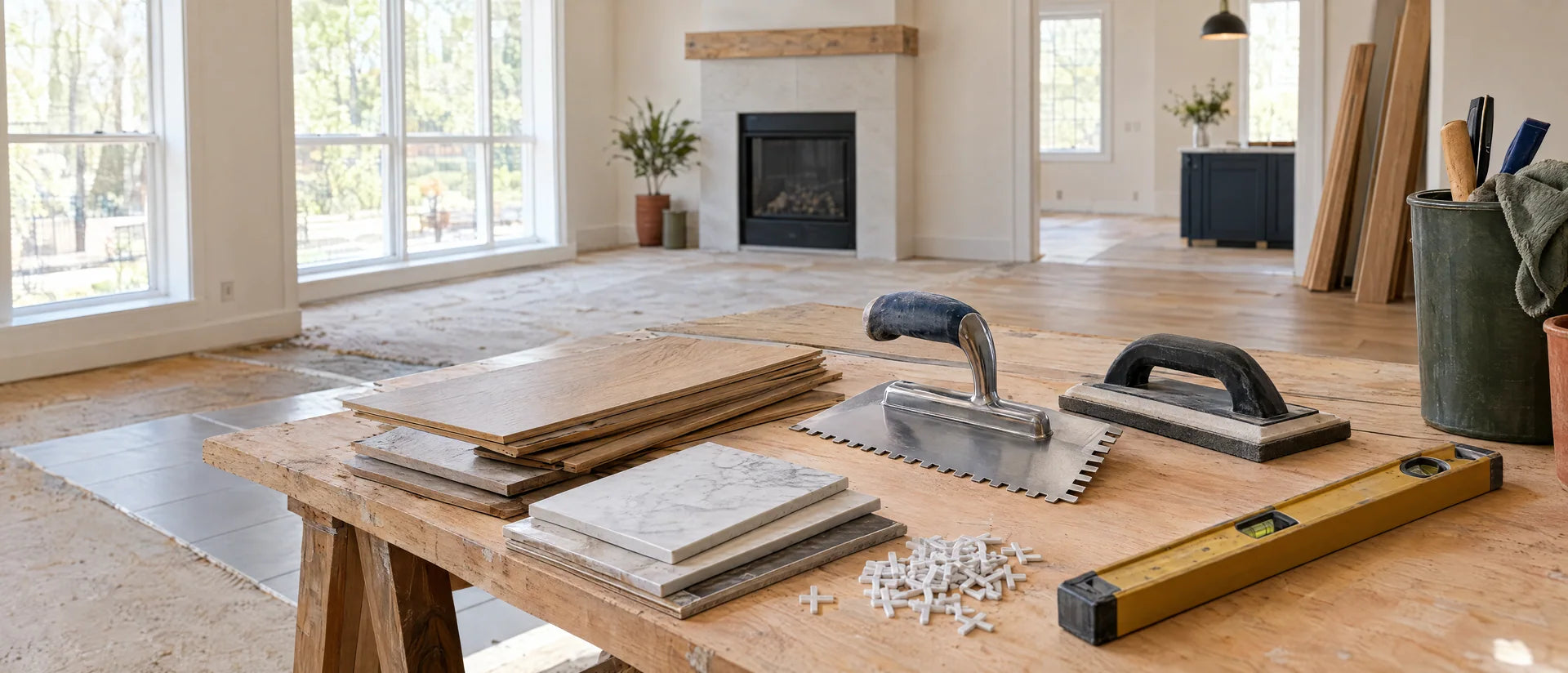
Flooring and tile installation materials form the working system beneath and around the finished surface. American Home Liquidation carries changing selections of surface-preparation products, mortar, adhesive, grout, underlayment, tools, transitions and trim. Find materials for tile, vinyl and wood flooring projects in Marietta, Norcross and the Atlanta area.
Surface preparation and floor underlayment
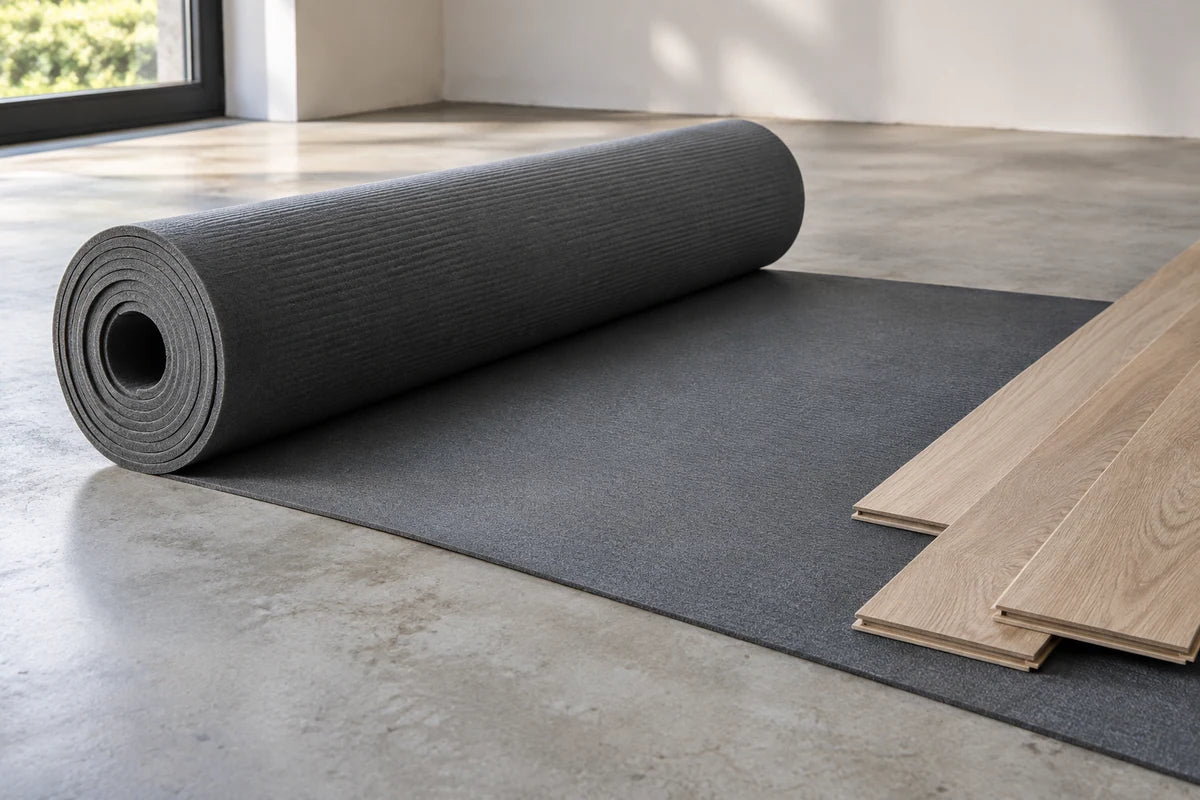
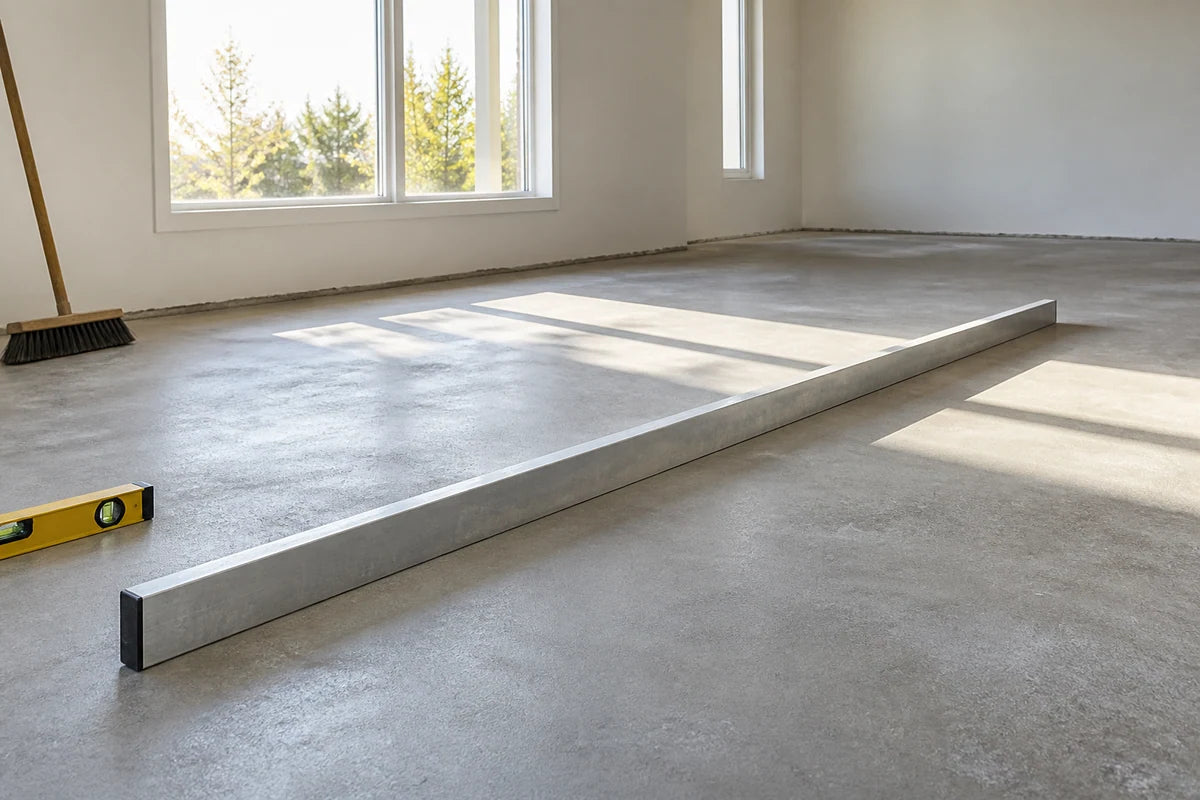
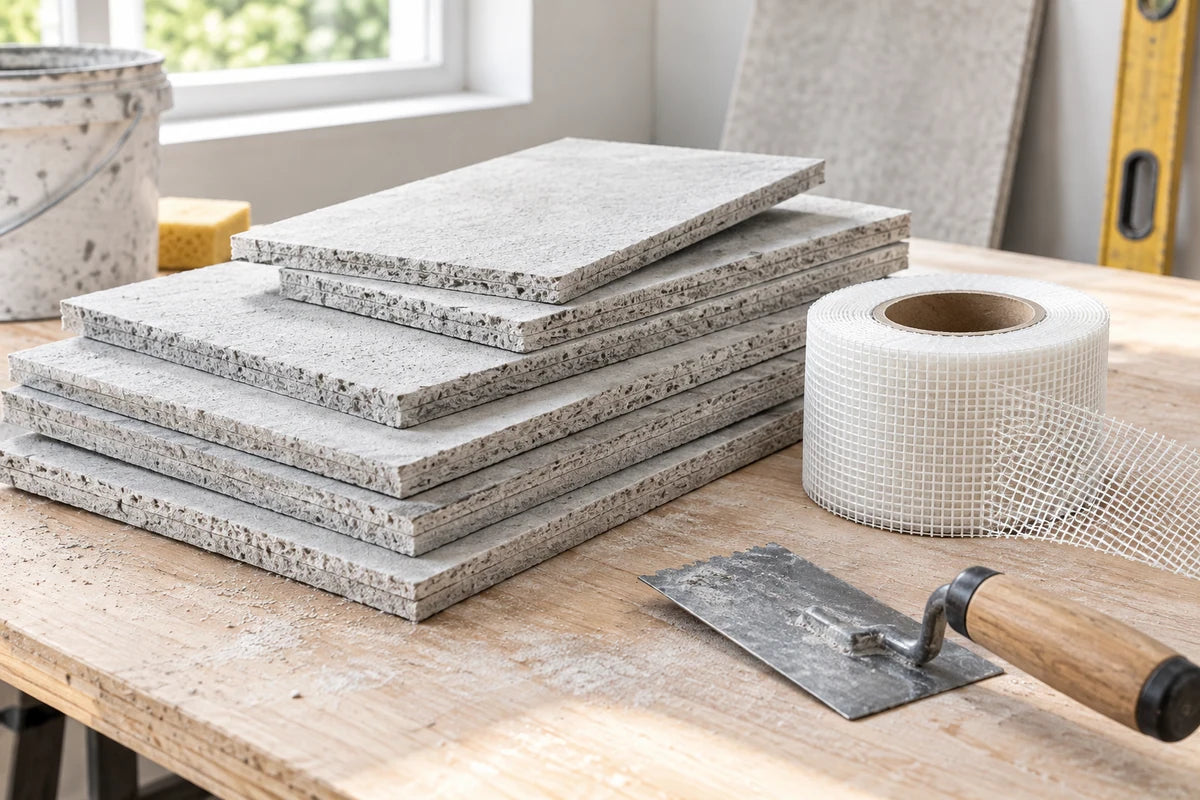
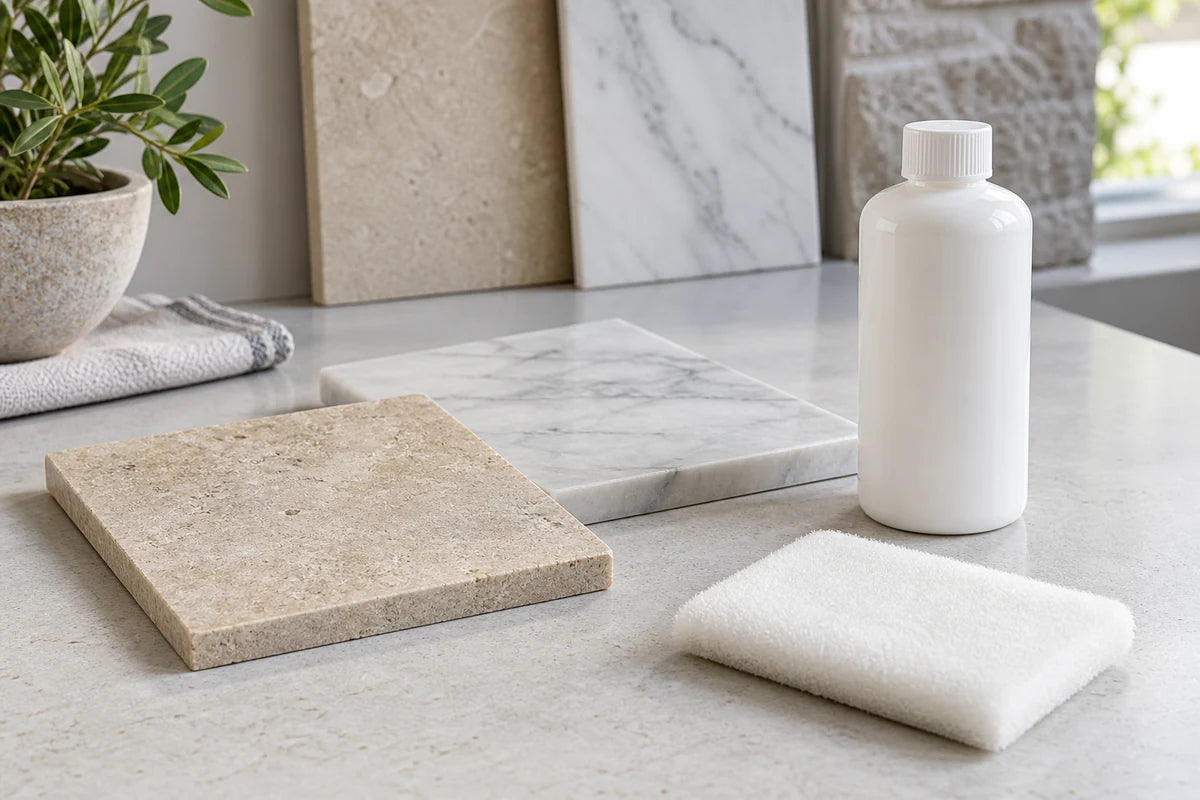
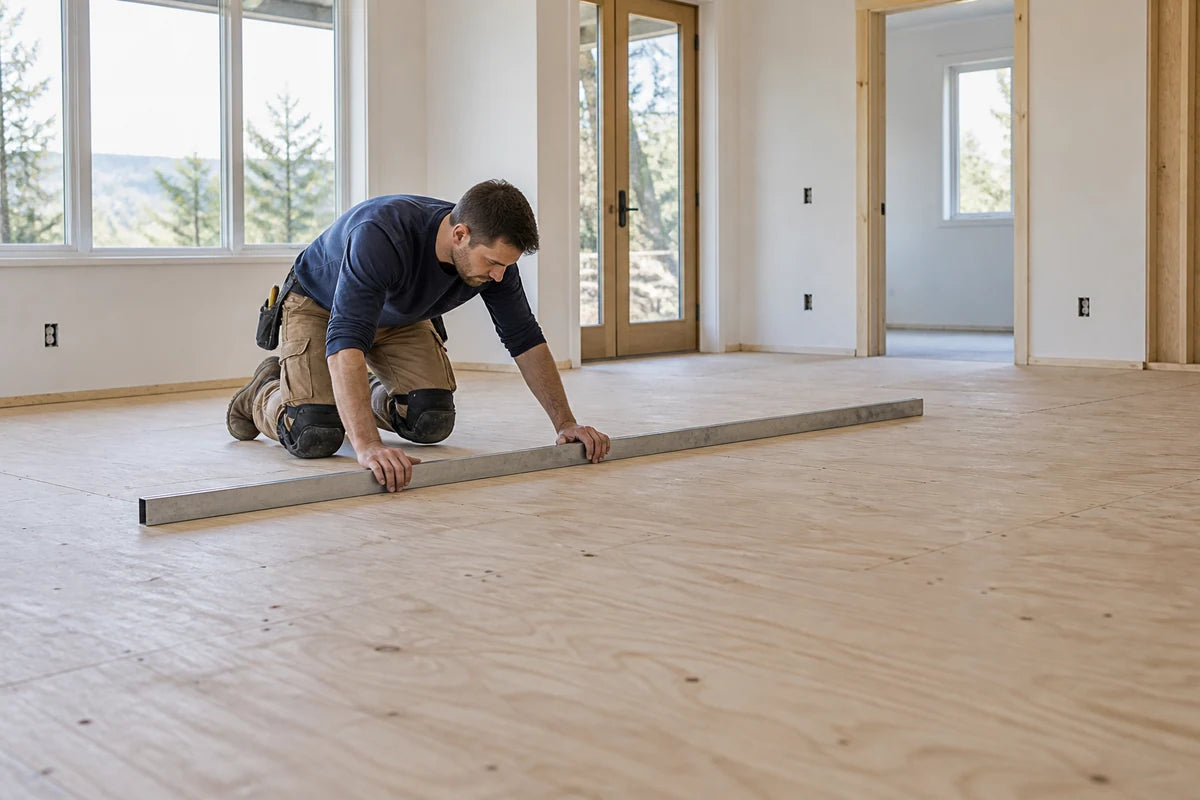
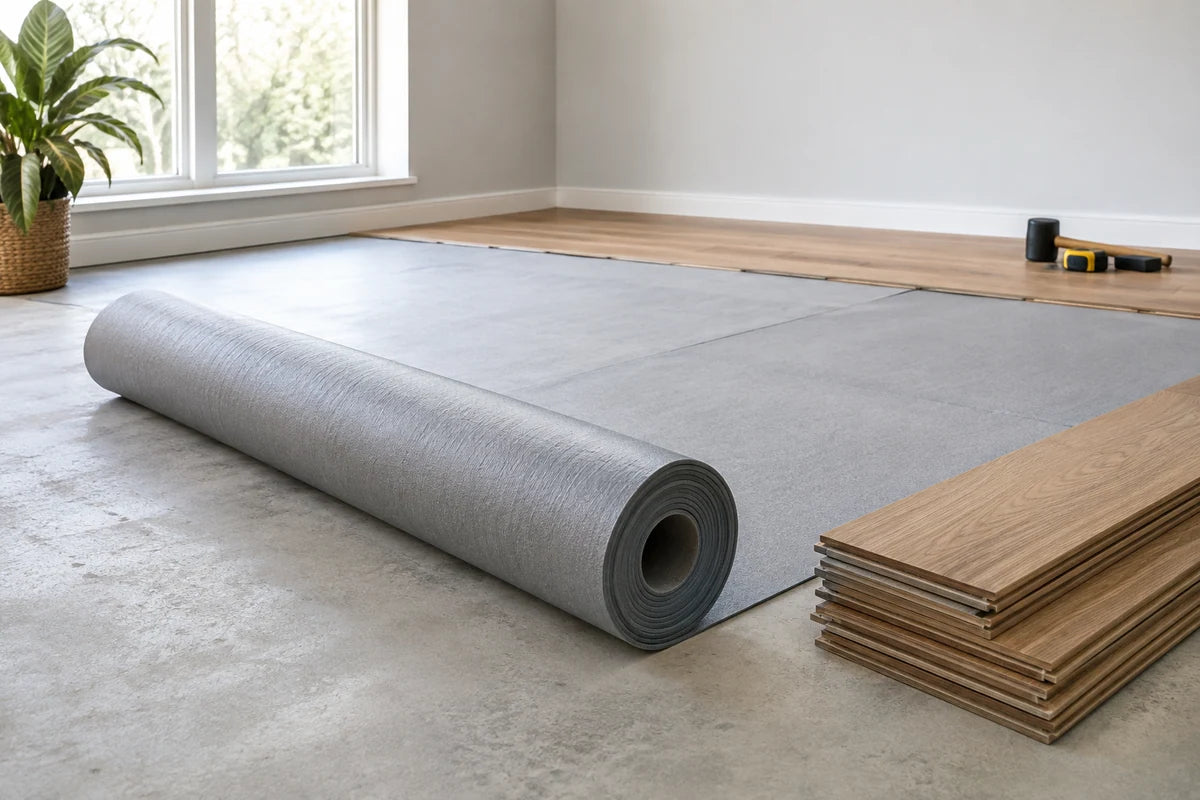
Concrete, plywood and existing surfaces must meet the requirements of the finished flooring. Preparation products can include primers, patching compounds, levelers, backer boards, membranes and moisture-control materials. Wood and vinyl floors may use underlayment for approved applications. Flatness, strength, cleanliness and moisture conditions remain central to the system.
Tile mortar, flooring adhesive and grout
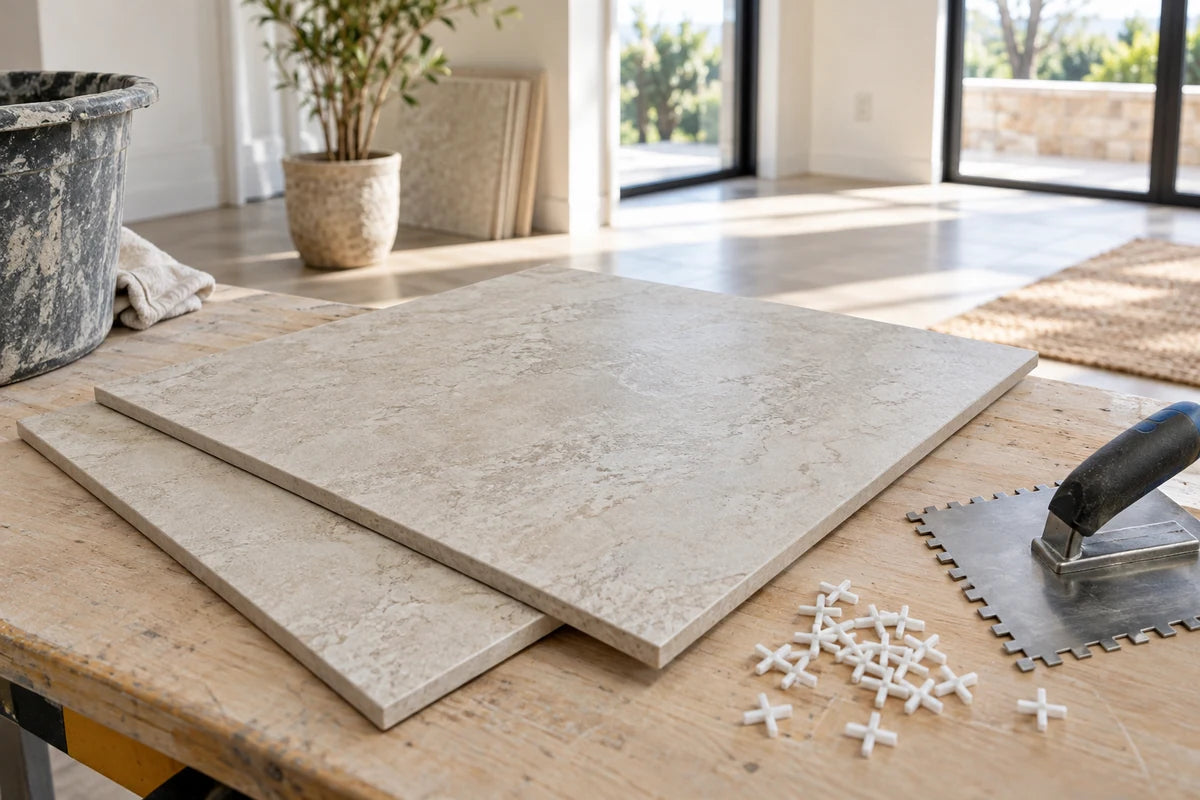
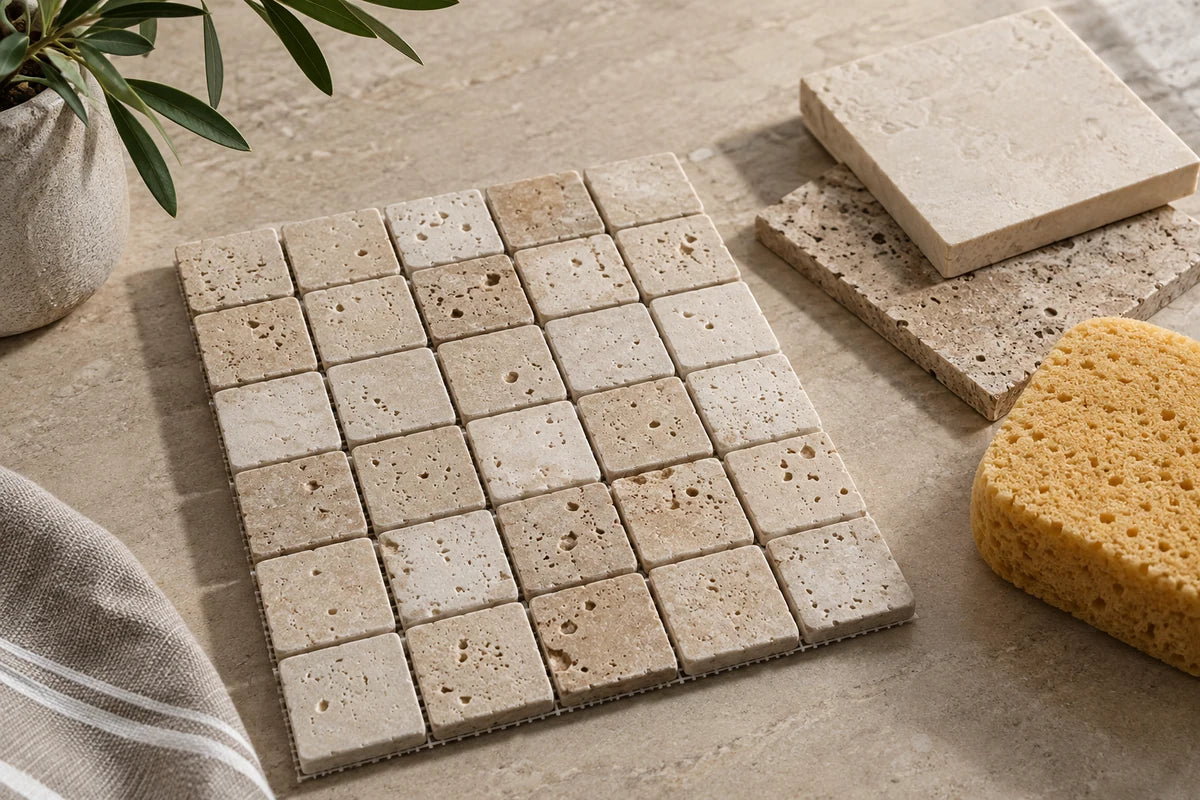
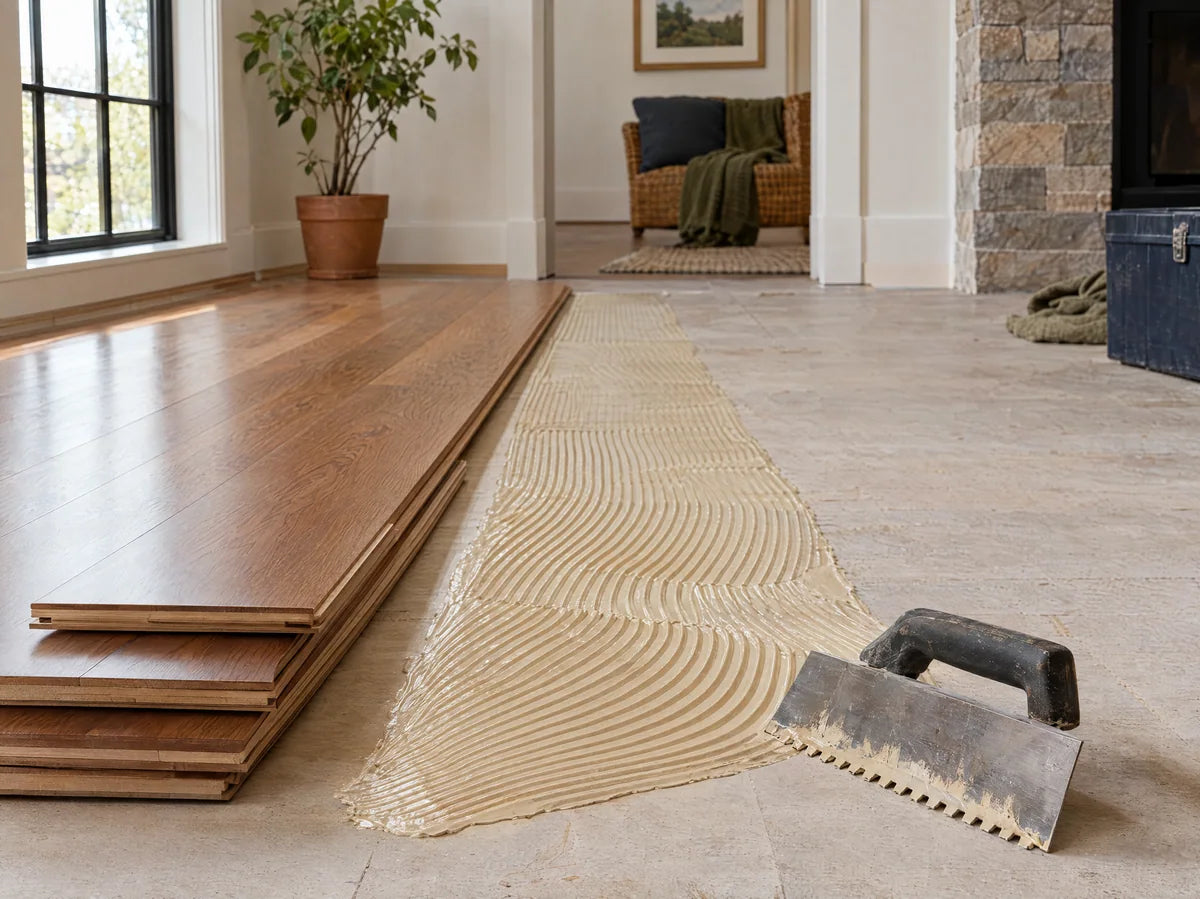
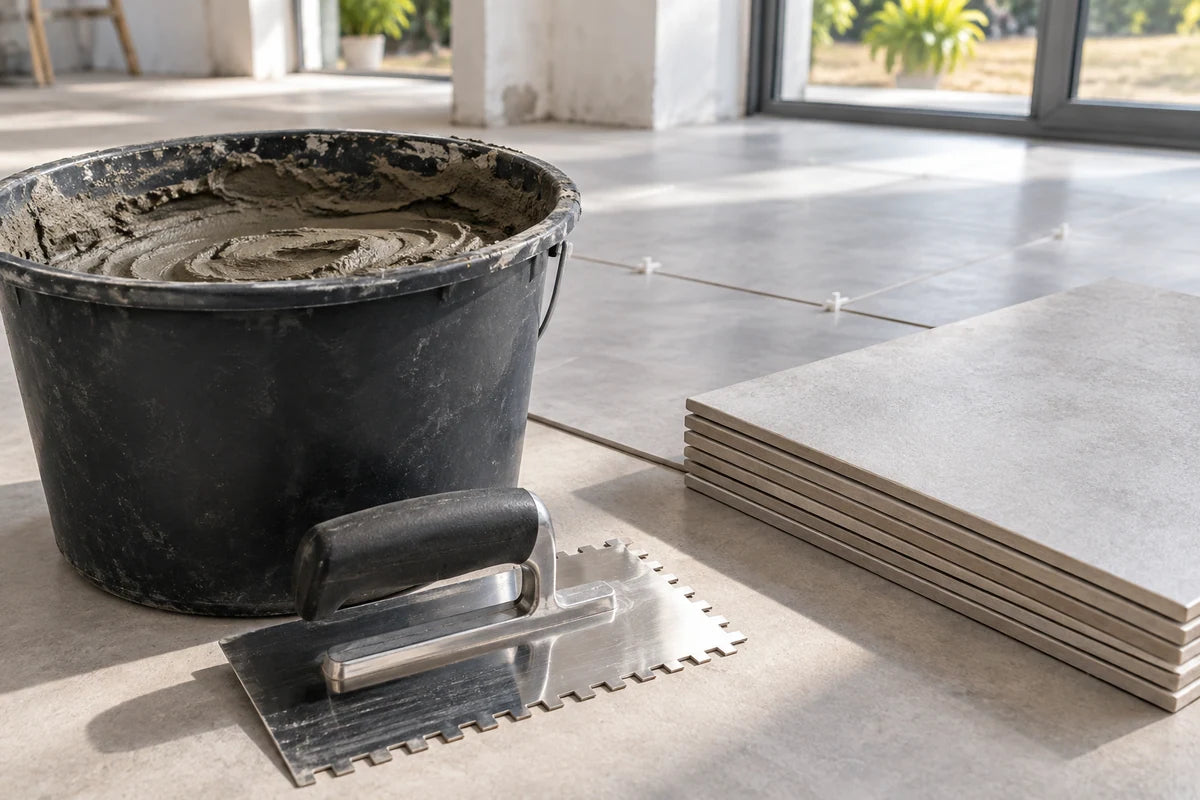
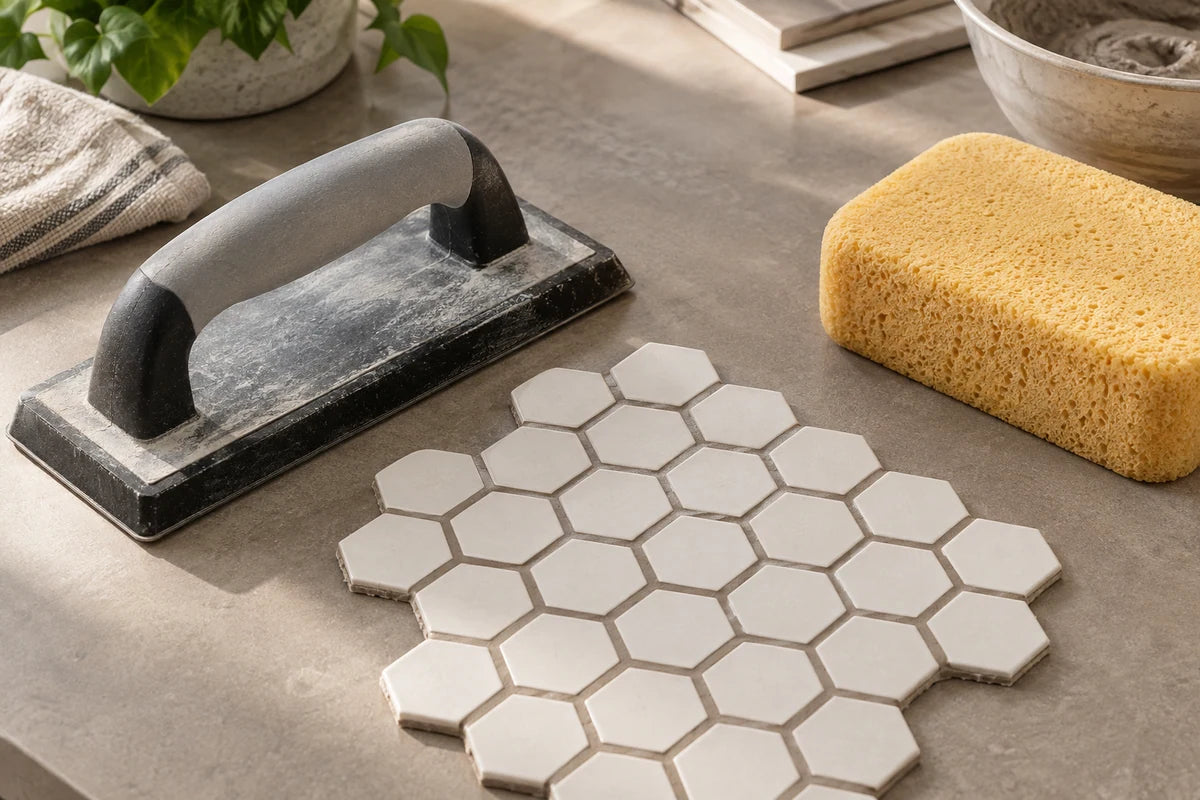
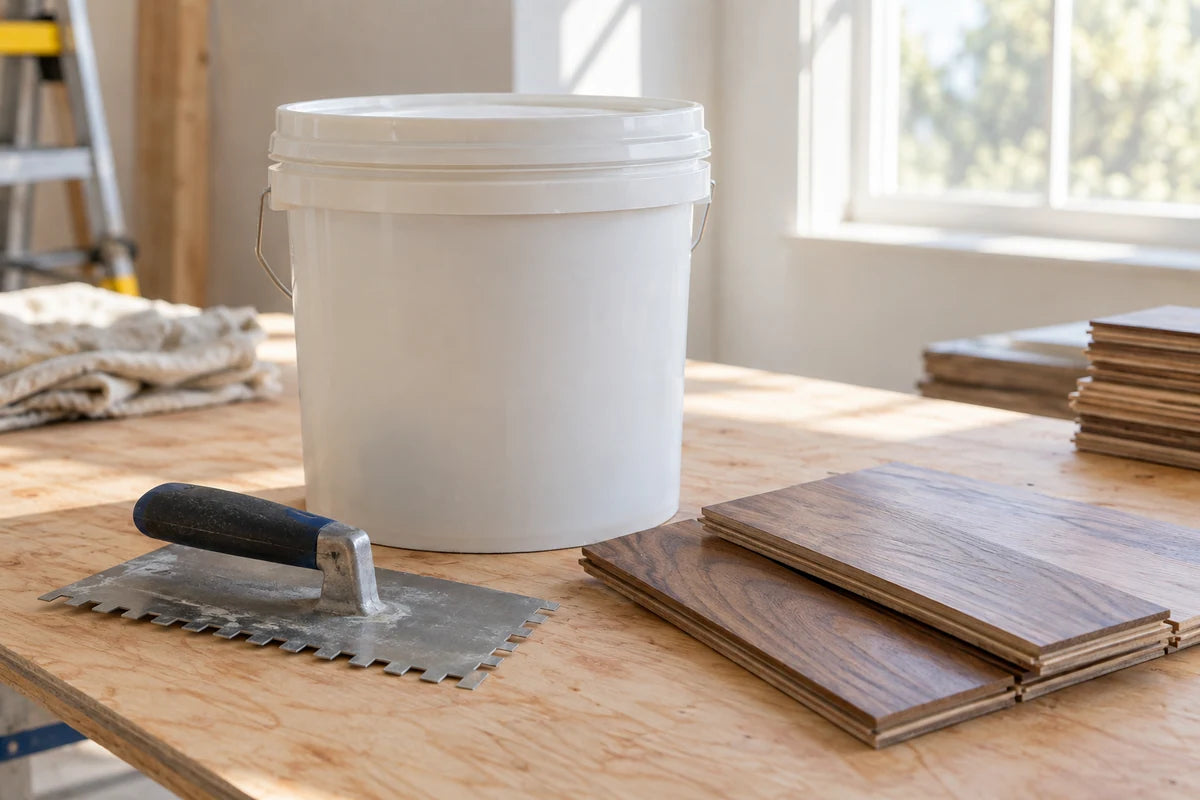
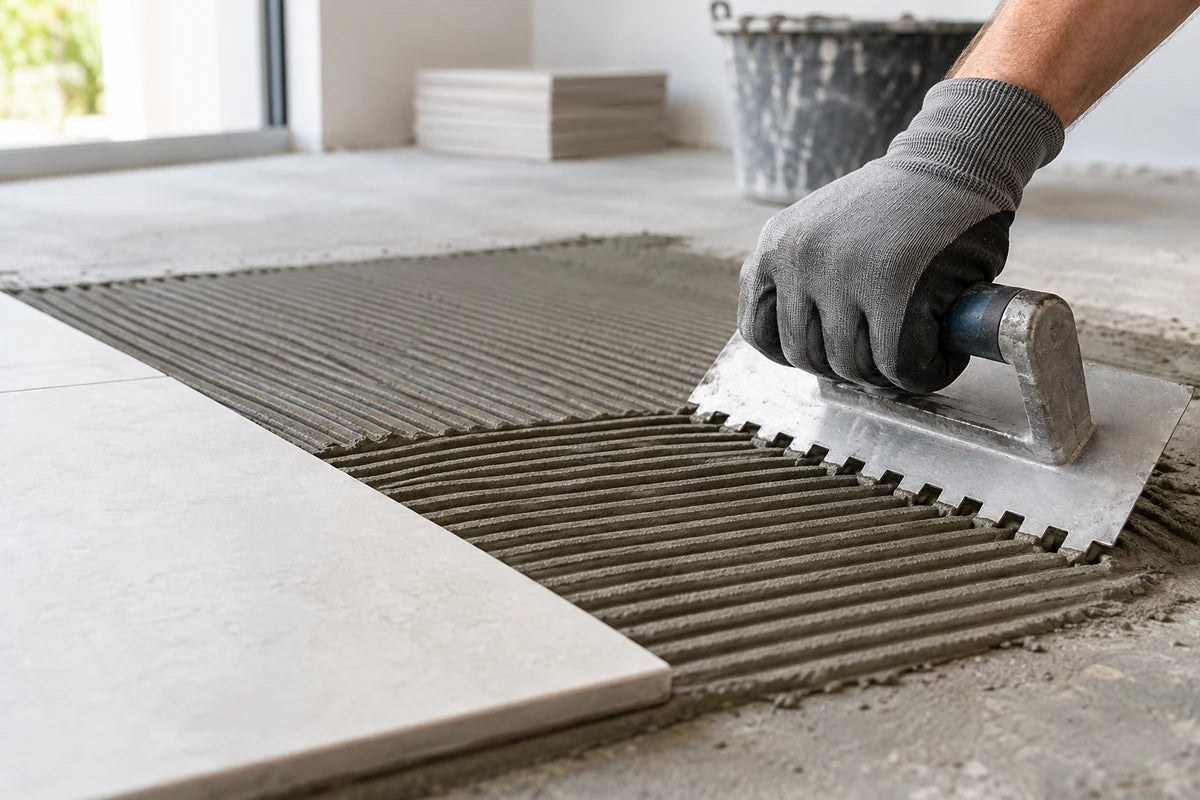
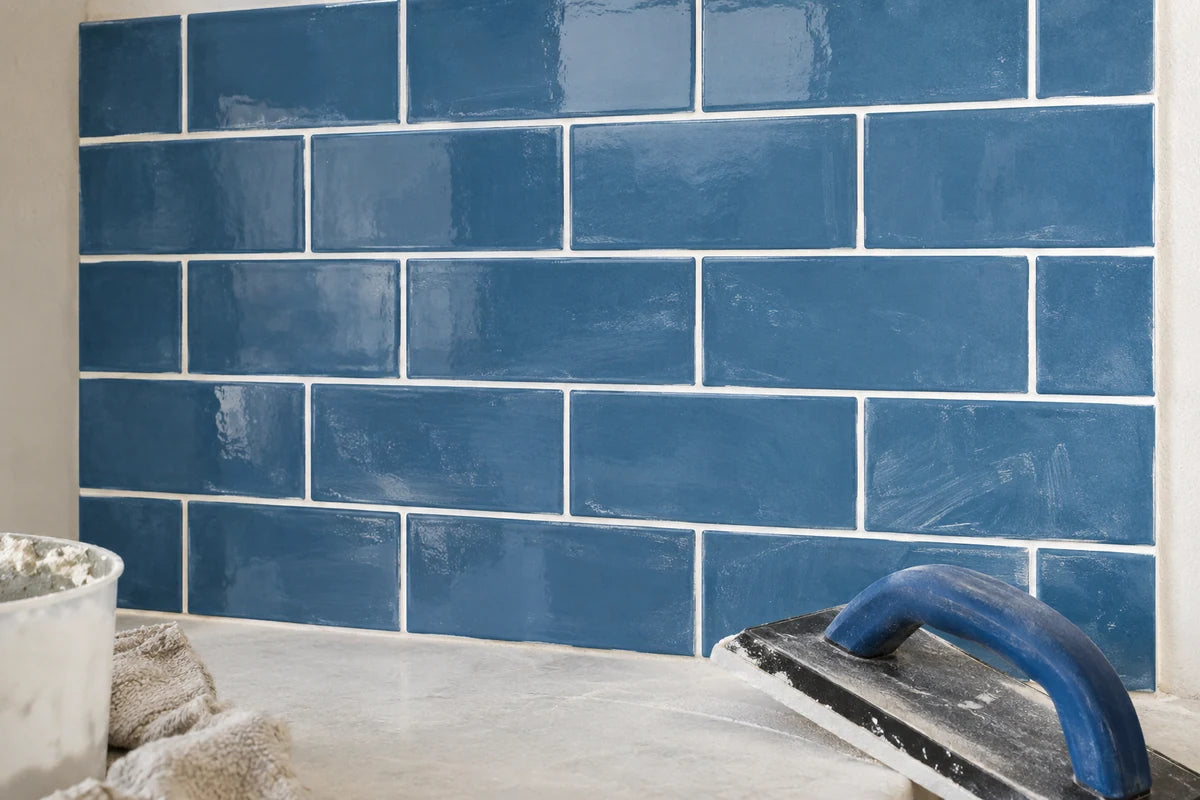
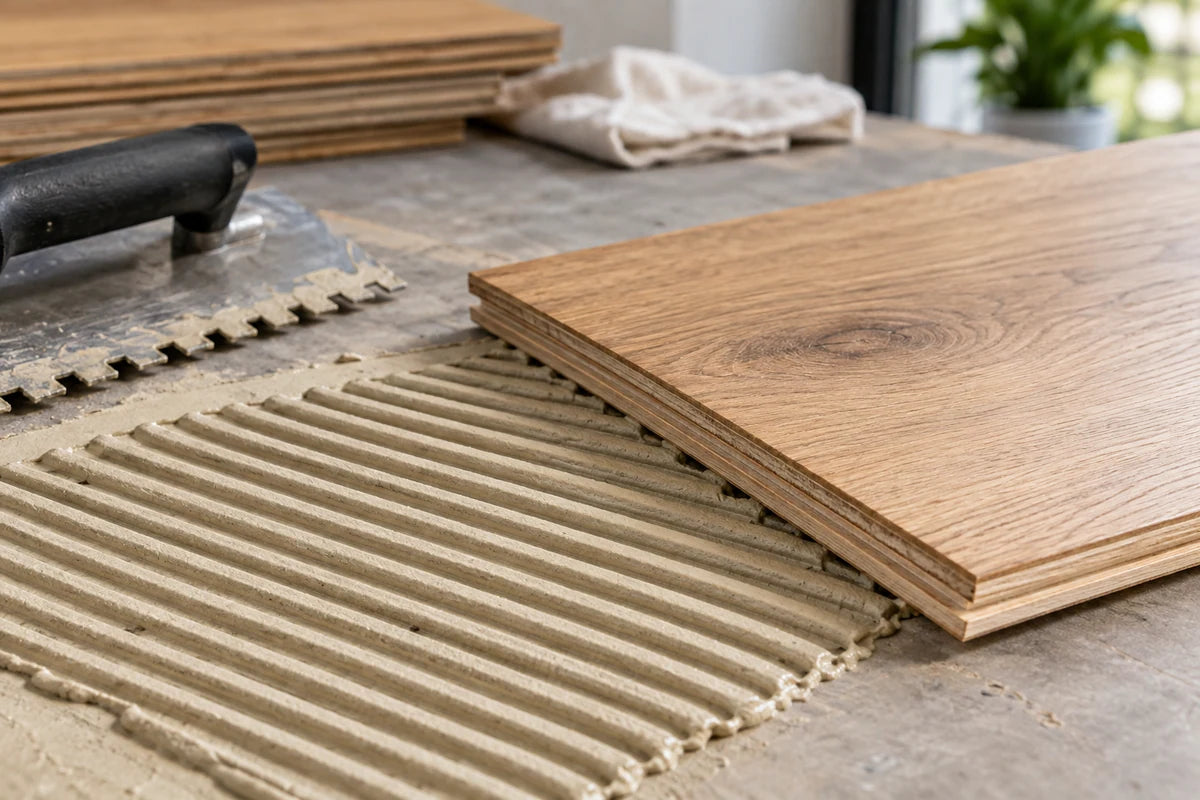
Mortar bonds compatible tile to a prepared surface, while flooring adhesives serve specific vinyl or wood products and substrates. Grout fills tile joints and contributes color, texture and maintenance characteristics. Product type, tile format, application location, trowel size, working time and coverage all influence which material and quantity a project requires.
Flooring trim, transitions and finished edges
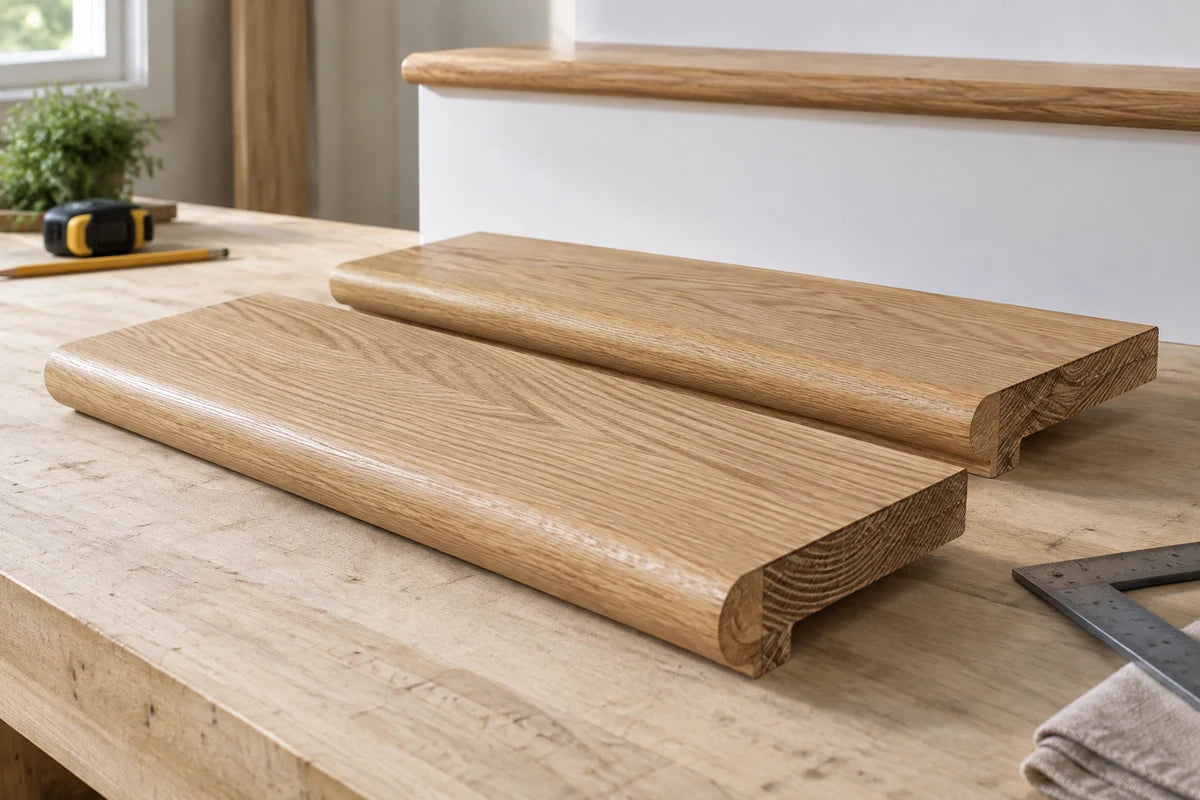
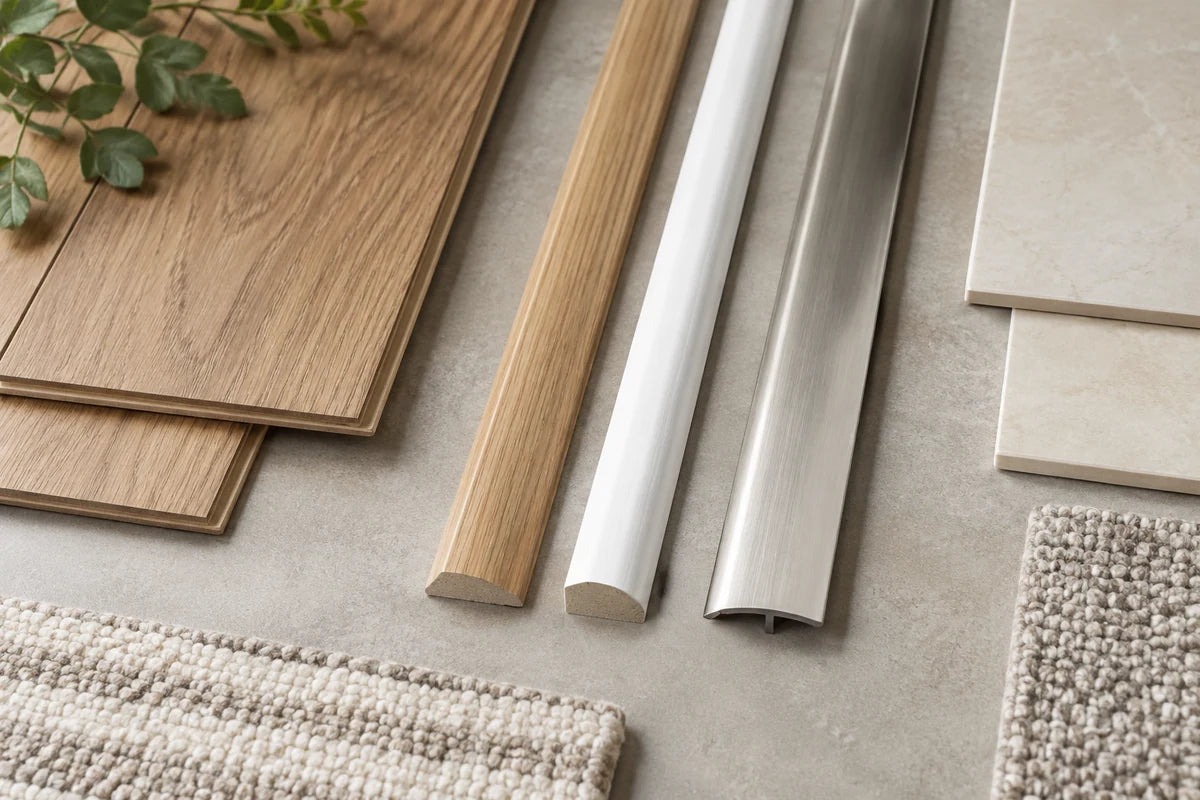
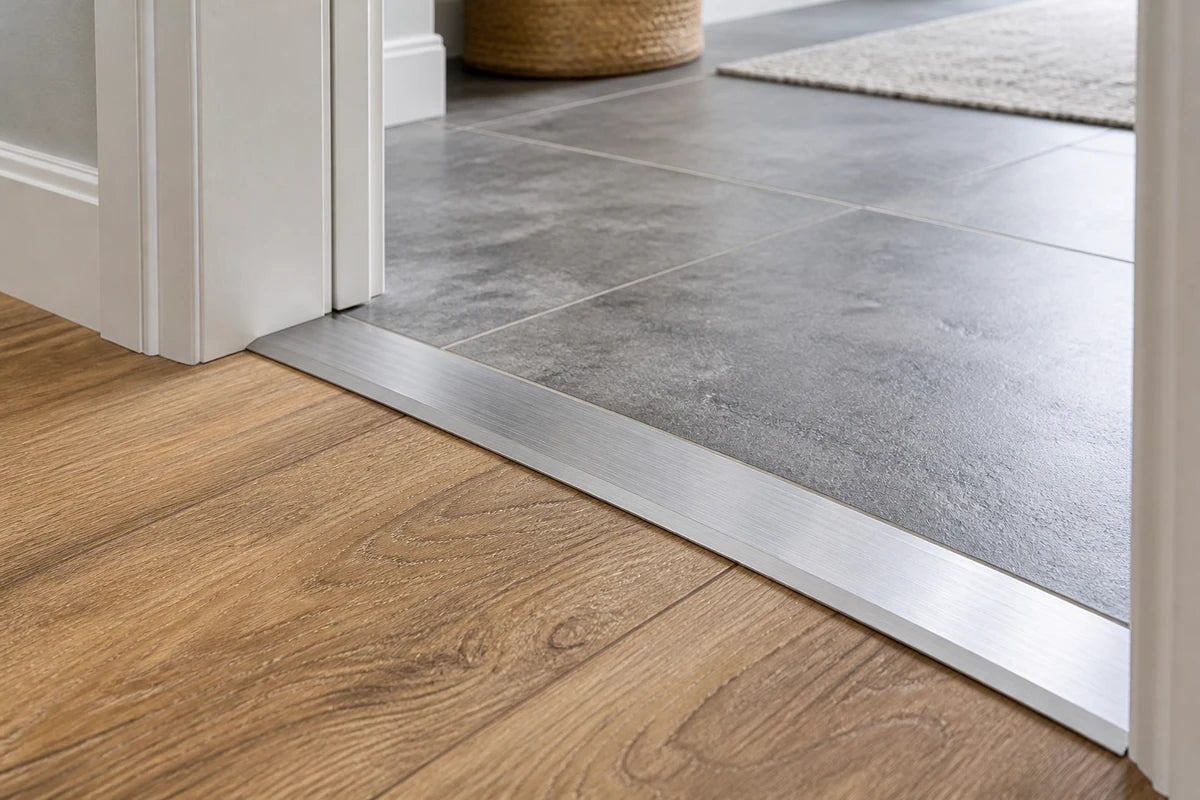
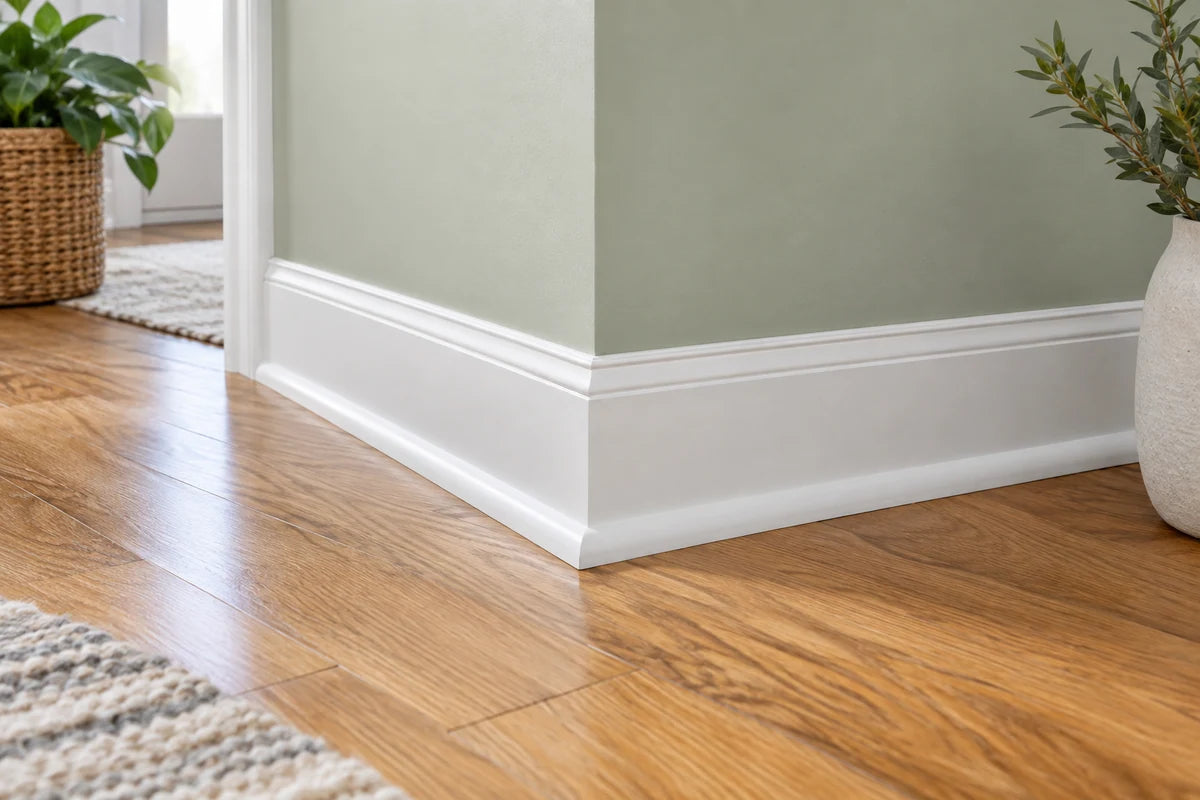
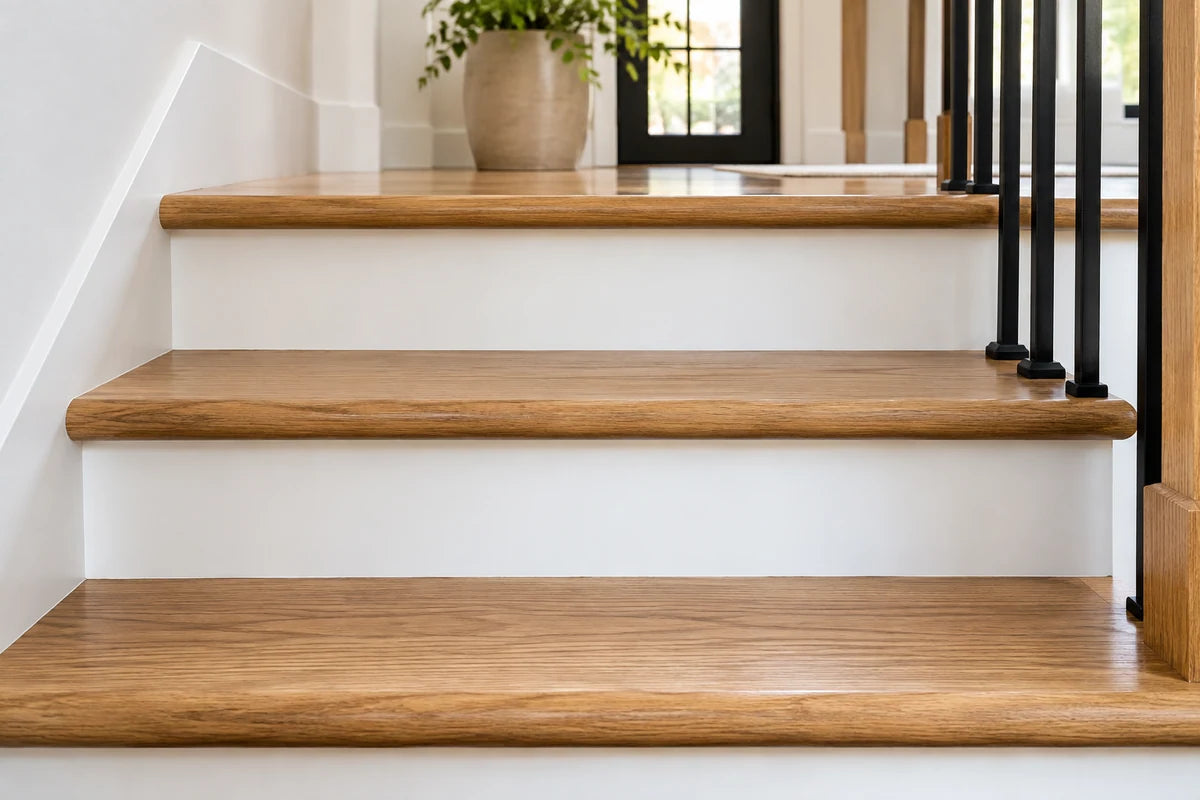
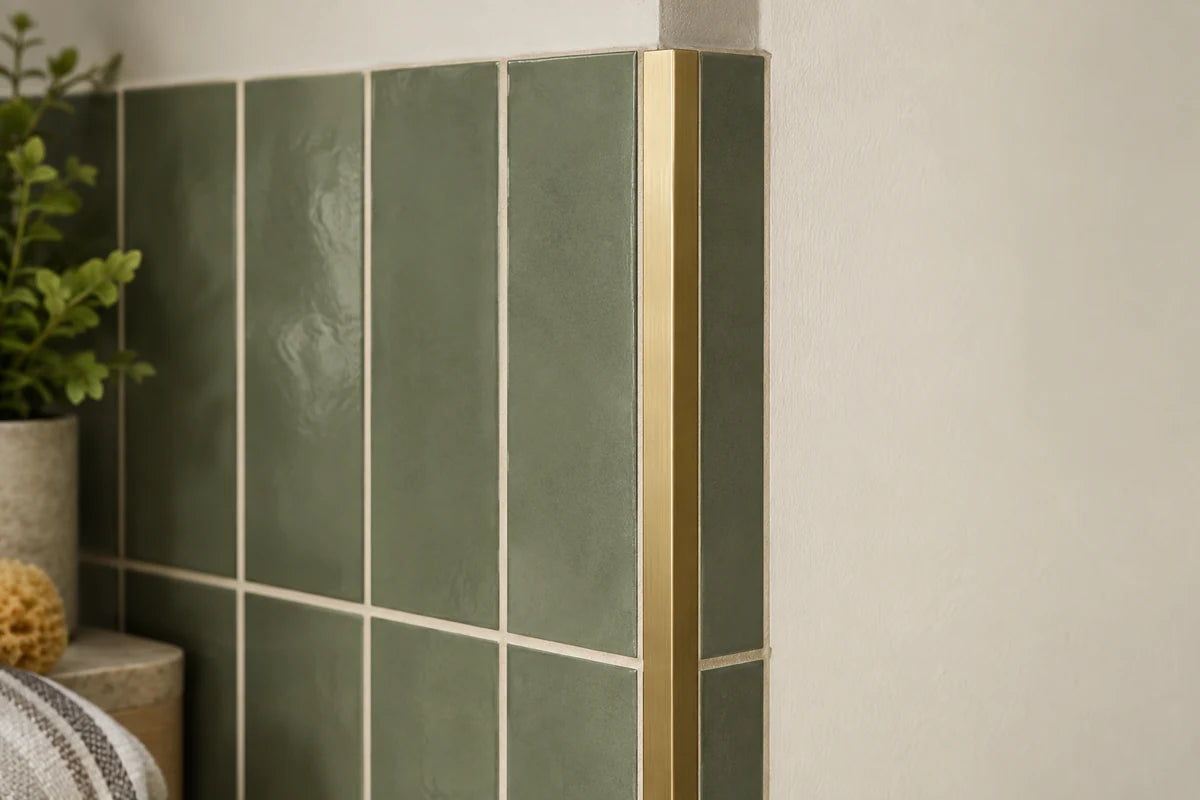
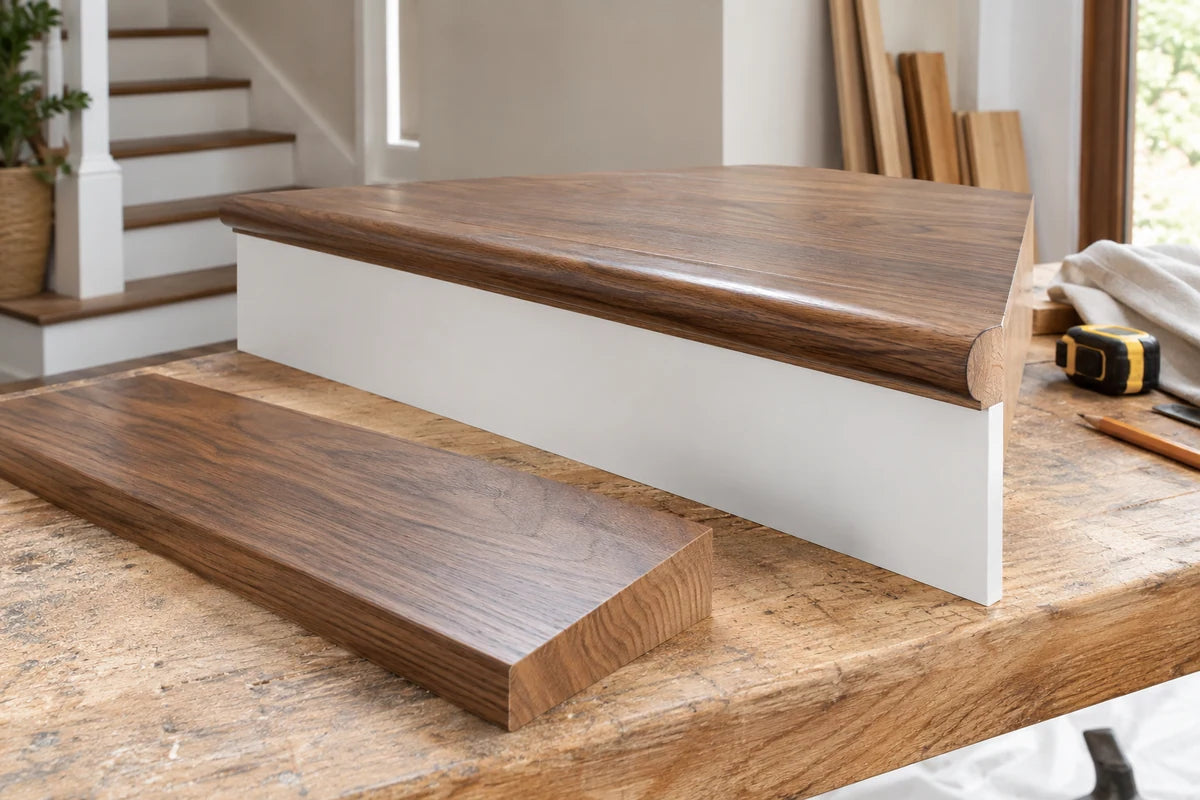
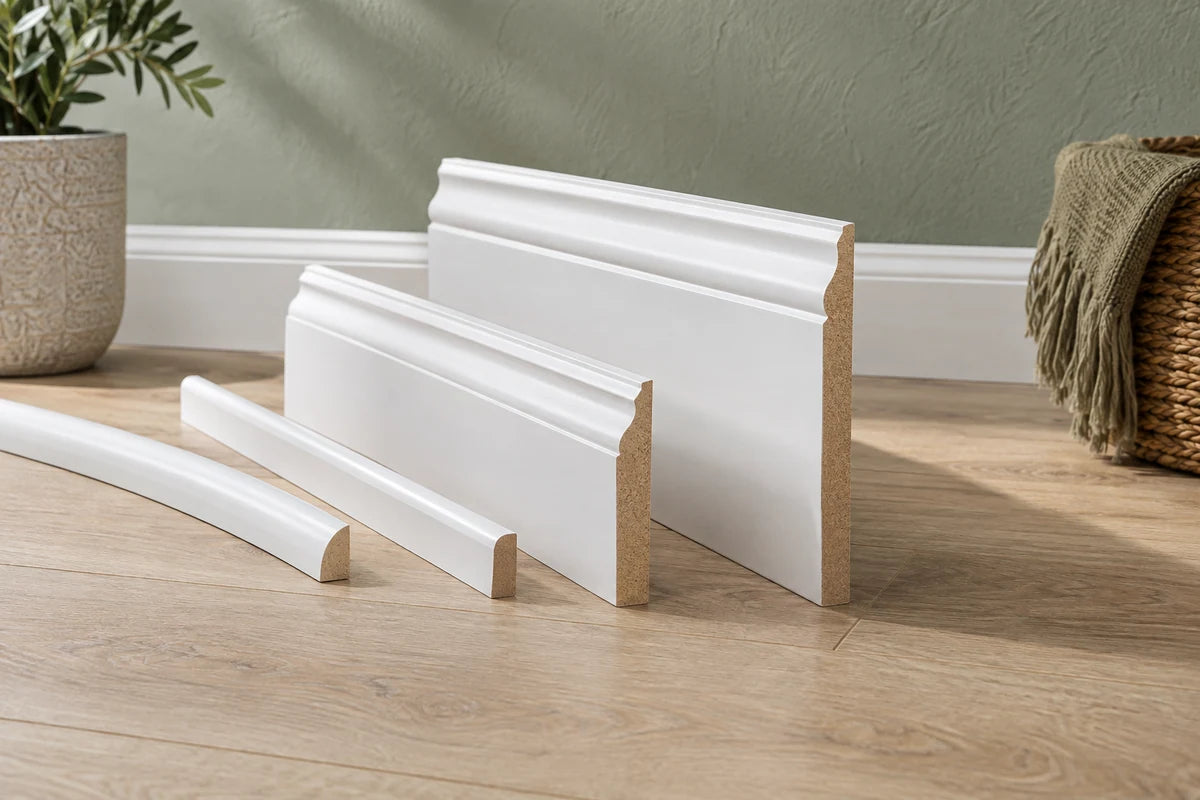
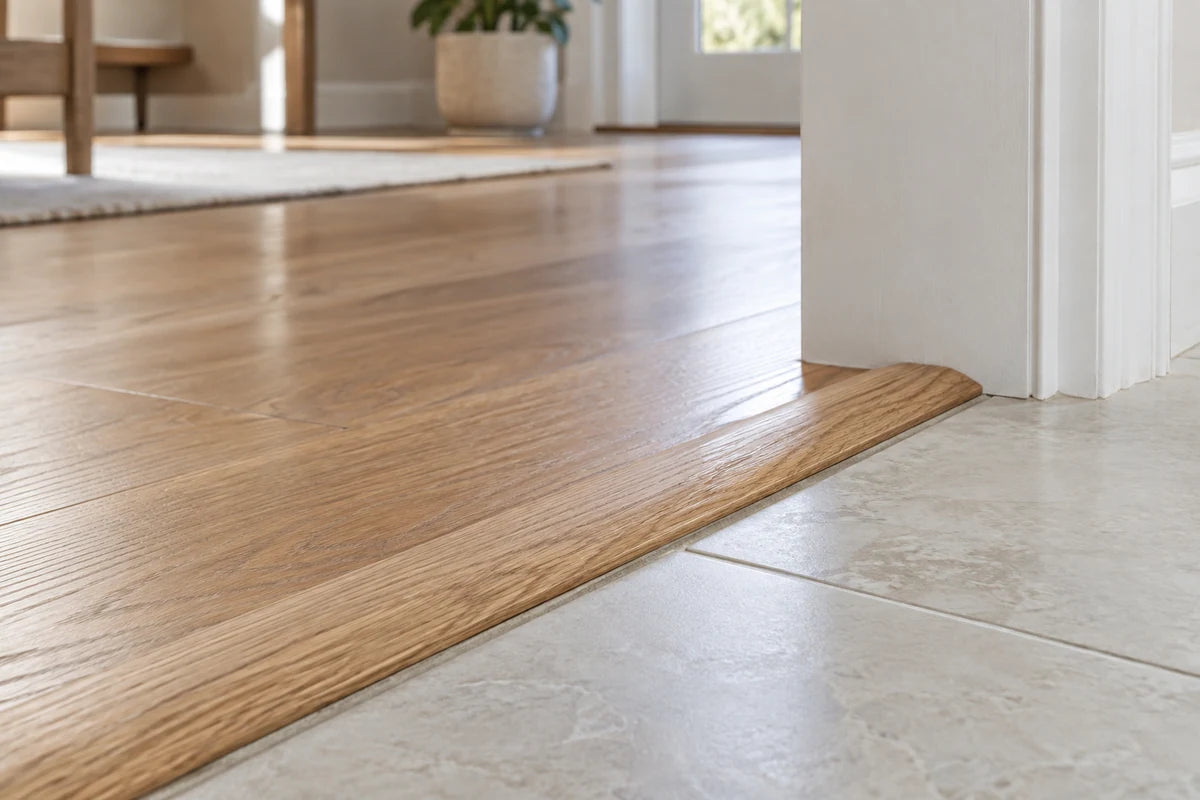
Transitions create a finished connection between flooring types or changes in height. Reducers, thresholds, stair parts, base pieces and edge profiles solve different project details. Matching thickness, color and installation method early helps the finished floor or tile surface end cleanly at doorways, stairs, walls and exposed edges.
Installation tools, coverage and project timing
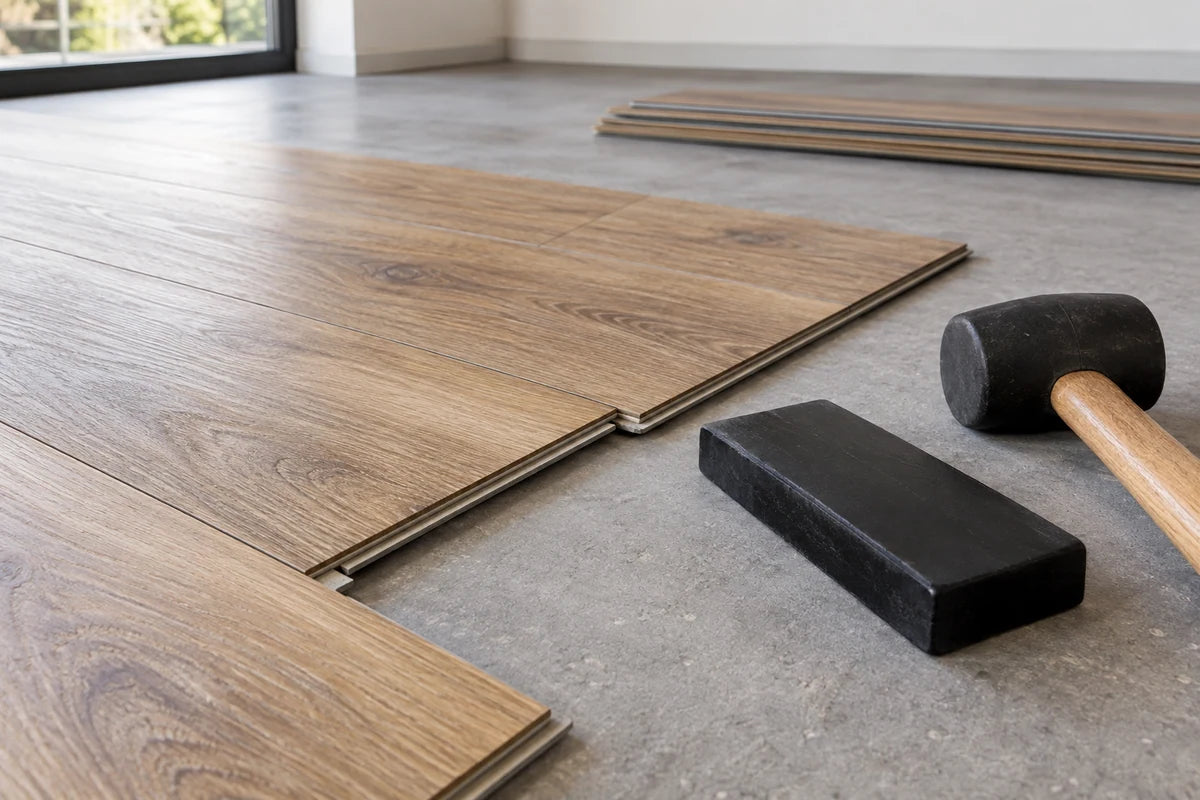
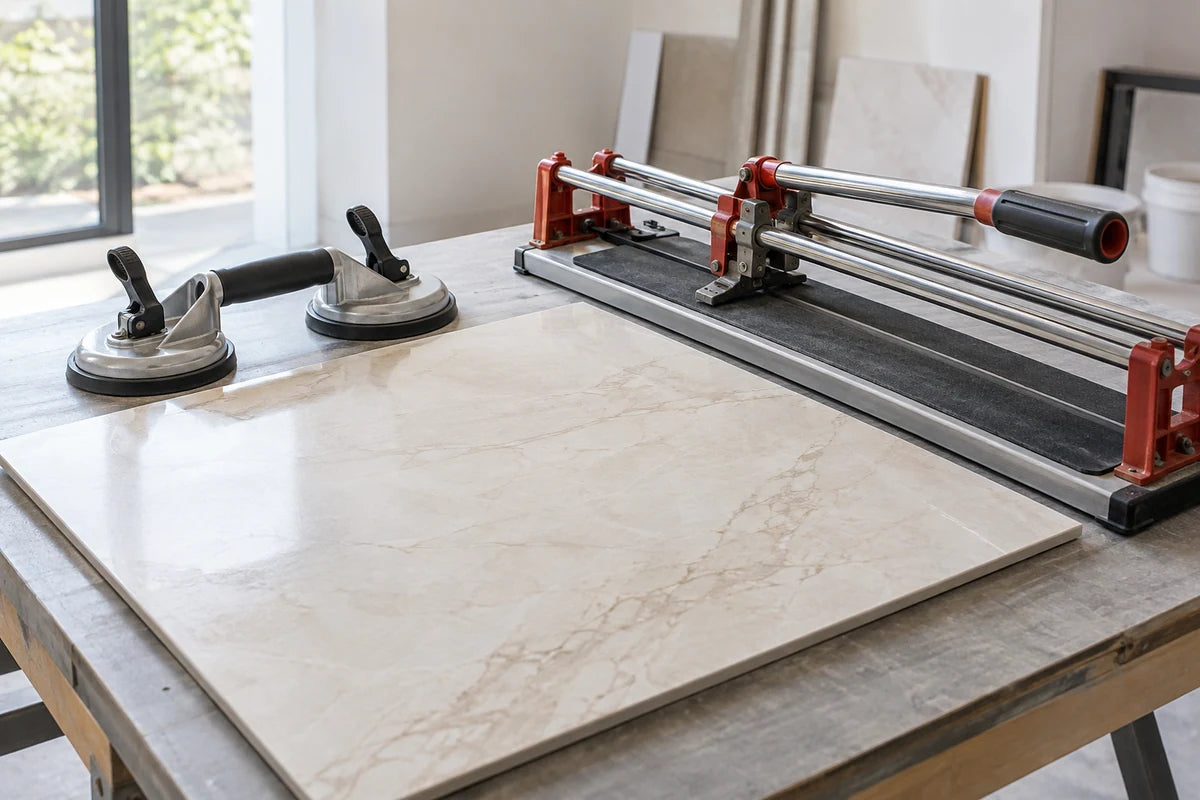
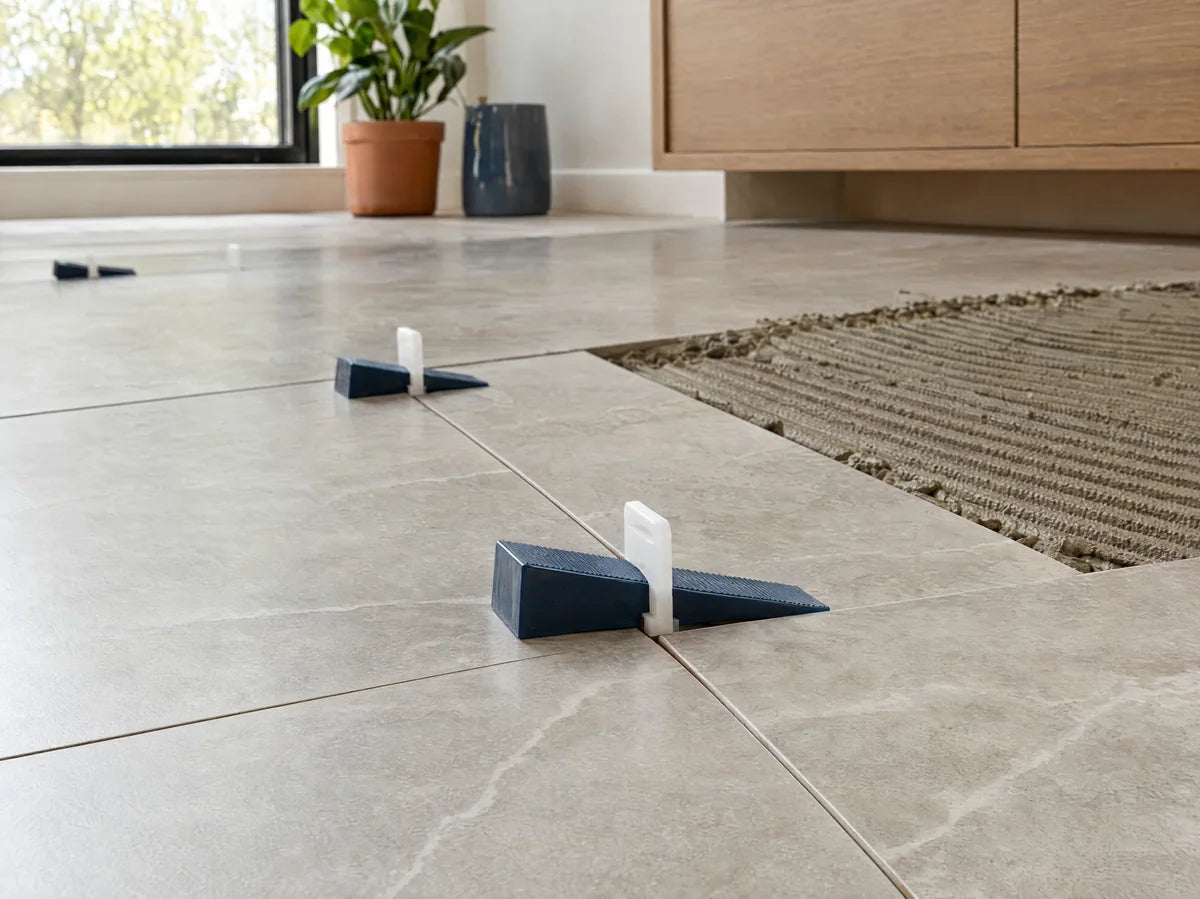
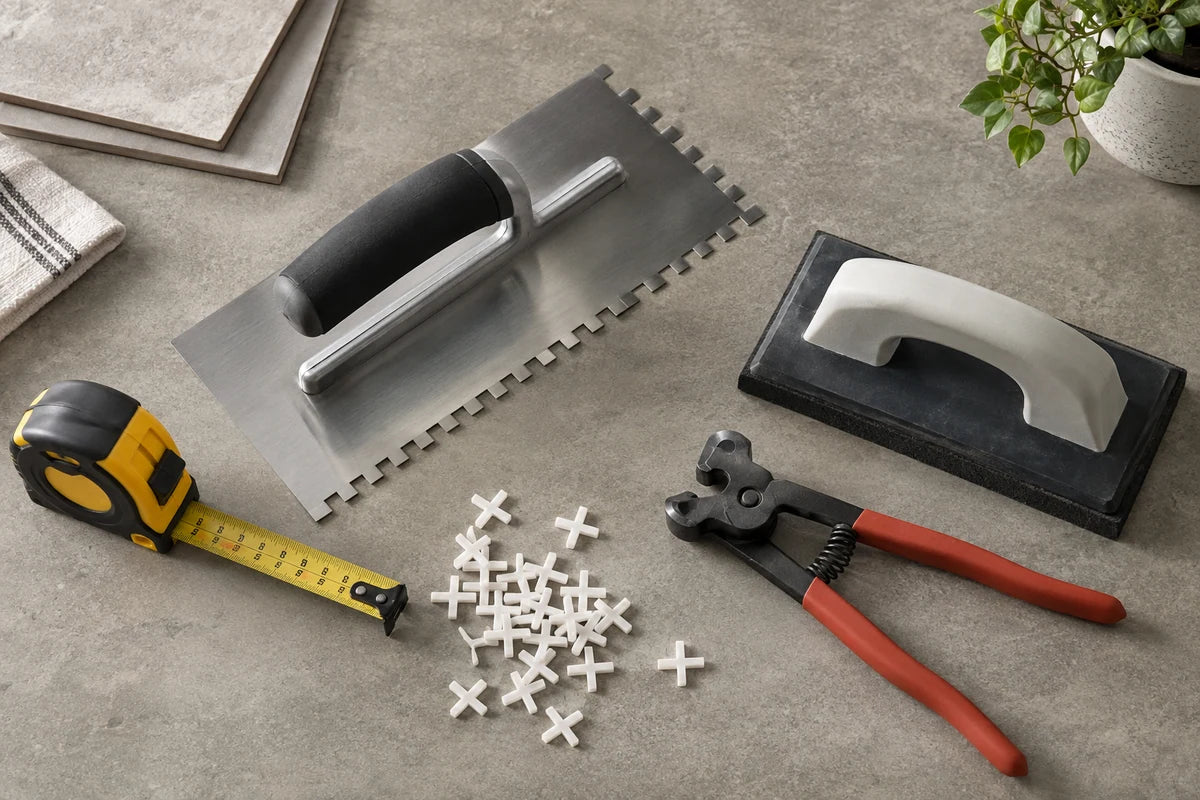
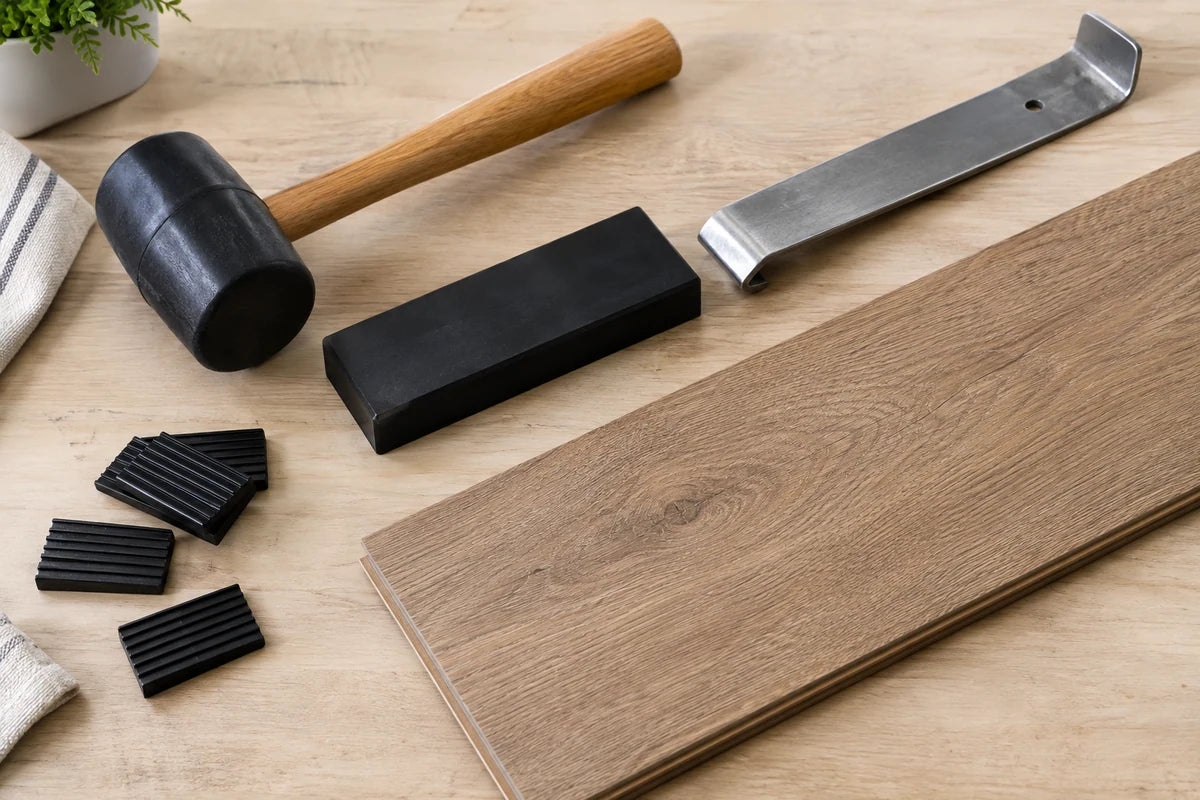
Trowels, spacers, leveling accessories, cutting tools, mixing equipment and cleanup supplies support different stages of installation. Coverage rates depend on the product, application and substrate. Working time, cure time, temperature and humidity also affect the schedule. Follow the flooring and installation-material instructions as one compatible system.
Frequently asked questions
Which mortar should I use for tile?+
The answer depends on the tile, substrate, location and format. Follow the tile and mortar manufacturer requirements for the exact installation.
Do I need underlayment beneath vinyl or wood?+
Only when the flooring instructions call for or permit it. Attached pads and specific subfloors can change the requirement.
How much grout or adhesive should I buy?+
Use the product coverage chart with the tile size, joint width, trowel and substrate condition. Include a practical allowance for the project.
Can tile be installed directly in a shower?+
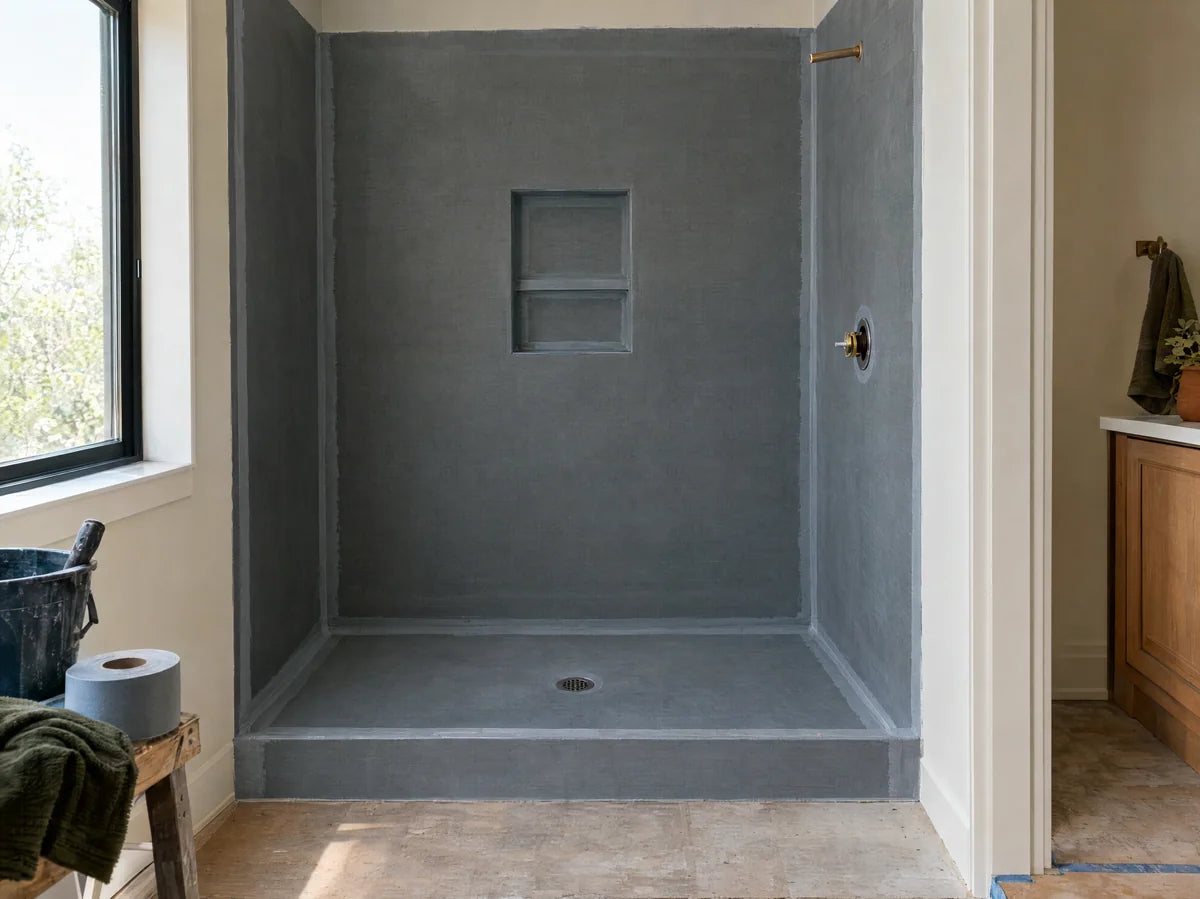
A shower needs a complete compatible preparation and waterproofing system. Tile and grout alone do not provide that system.
When can the new floor be used?+
Wait for the cure and traffic times stated by the product manufacturers. Temperature, humidity and installation conditions can affect the schedule.
Before you choose
Build a compatible installation system
Preparation, setting and finishing materials need to work with the surface and the product being installed. Shop from the manufacturer’s requirements and your installer’s plan, rather than selecting accessories by price or color alone.
Start with the substrate
Identify the existing surface, the finished material and any moisture or leveling requirements. Check compatibility between primers, membranes, adhesives and grout. Wet-area work needs the specified waterproofing system; a decorative finish is not a substitute.
Check coverage and working conditions
Read the package coverage alongside the specified application method. Confirm drying or curing requirements and any temperature limits before scheduling the work. Include trims, transitions and the tools appropriate to the chosen system in the materials list.
Make your Georgia store visit count
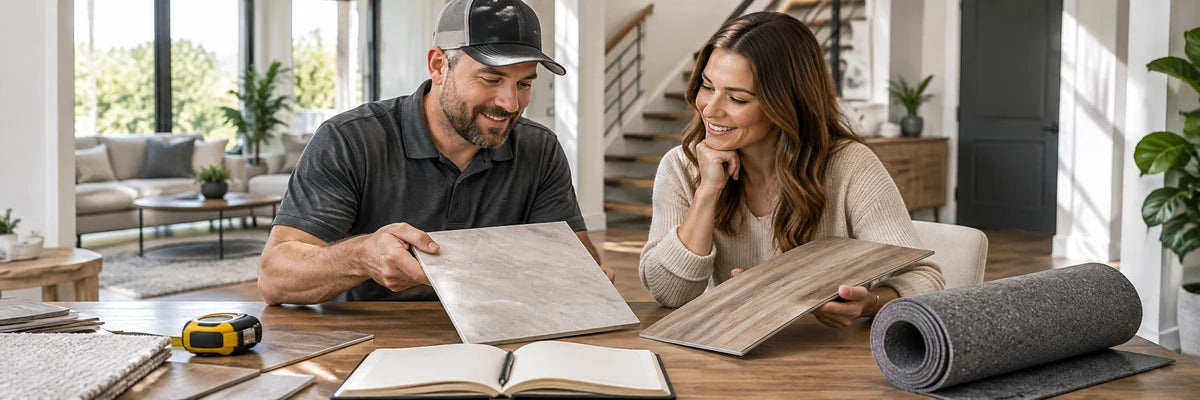
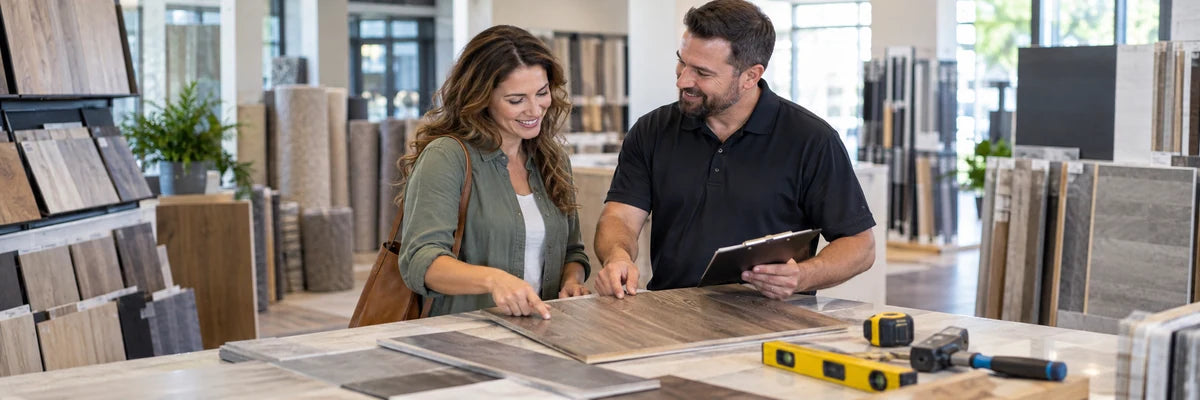
Bring the flooring or tile model, measured area and your installer’s materials list. For repairs, photographs and the existing product name help avoid mixing incompatible systems.